
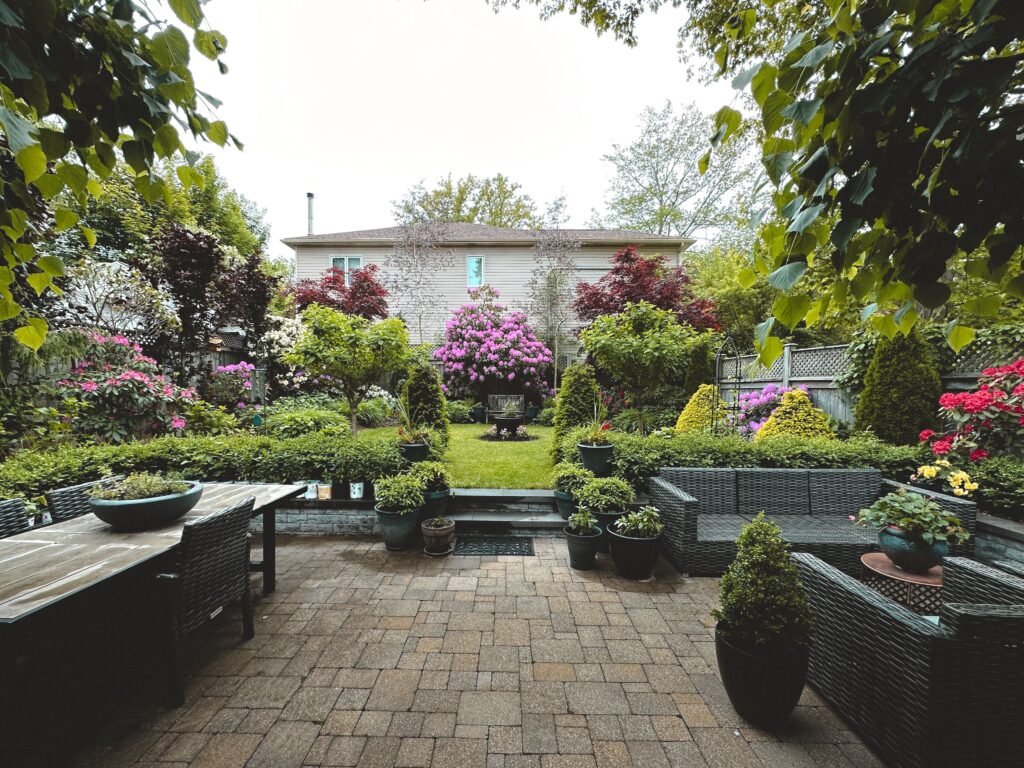
Nothing ruins a quiet afternoon on the patio faster than a swarm of wasps looking for sugar or a place to nest. The good news: certain plants that keep wasps away can turn your outdoor space back into a safe, welcoming spot for people (and butterflies), without a single chemical spray.
This post contains affiliate links, which means I may receive a small commission, at no cost to you, if you make a purchase through a link.
1. Peppermint
Peppermint is often cited for its strong scent, which can help create an environment that many insects find unpleasant. While the exact reason is not fully understood by science, many people use this plant to help keep wasps at a distance in their outdoor spaces.
Because it spreads quickly, it’s a good idea to grow it in pots to keep it contained in a garden bed. You can also crush the leaves to release the scent directly if you need a quick, natural repellent.


This live peppermint plant arrives ready to pot up right away, whether you’d rather keep it on a sunny windowsill or move it straight into a garden bed once the weather warms. Starting from an established plant means a repellent-ready patch of mint within days instead of waiting on seeds to germinate.


If you’d rather start from scratch, this heirloom seed pack lets you grow peppermint exactly where you want it, in as many pots or garden rows as you like. It’s a budget-friendly way to fill a larger area with the same wasp-discouraging scent.
2. Lavender
The strong scent of lavender is a natural way to keep unwanted insects out of your yard. Wasps and other flying pests tend to dislike the aroma, making this plant a good choice for borders near patios or windows where you gather.
It’s also a hardy perennial that thrives in sunny spots and dry soil, so you don’t have to fuss over it once it’s established. Plus, it looks great and smells even better in the garden.


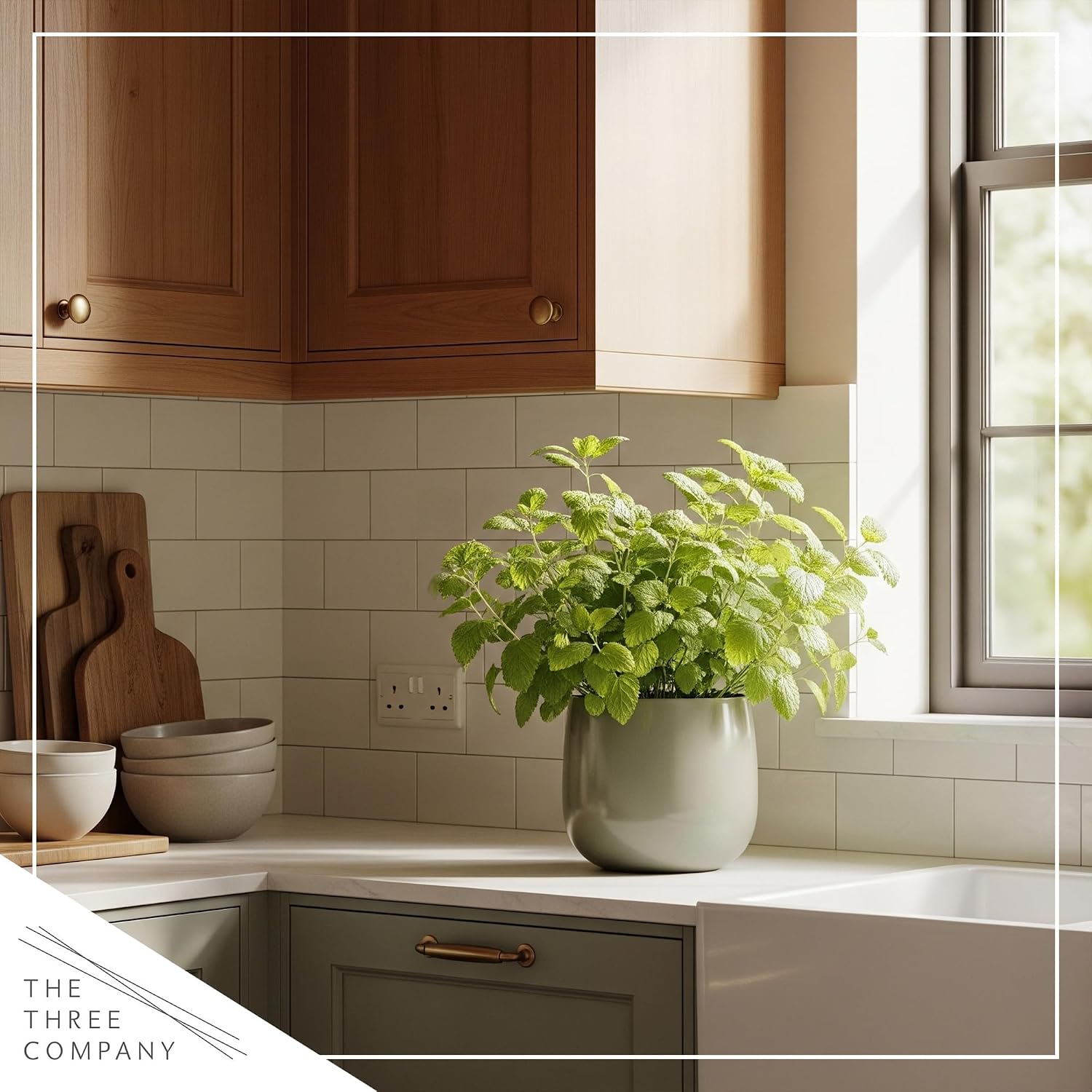
A four-pack of already-rooted lavender starts makes it easy to line a patio border or walkway in one afternoon, without waiting a full season for seedlings to fill in. Each 6-inch plant is ready to go straight into the ground or a larger pot.
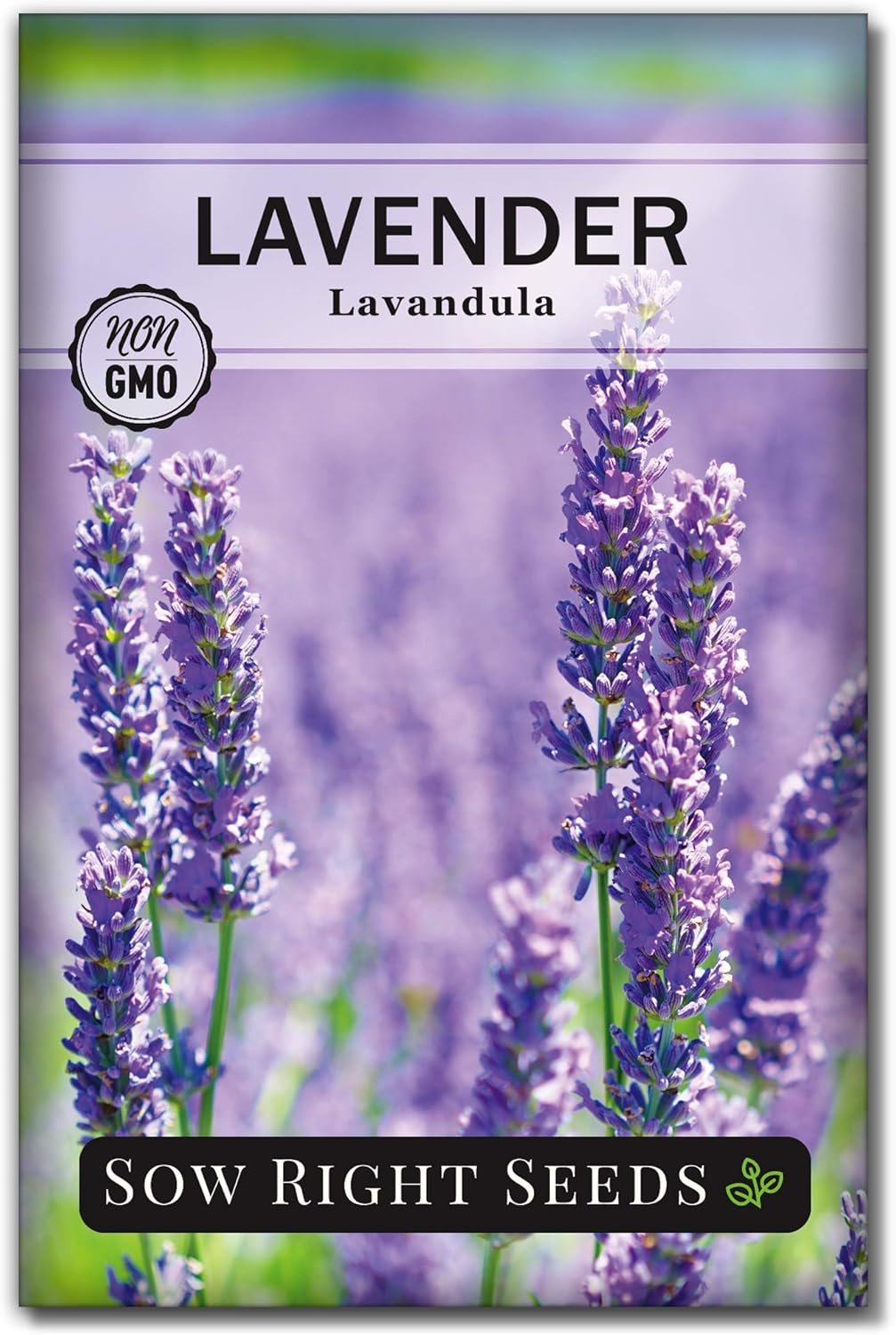


For gardeners who want to grow a bigger lavender patch, or just enjoy starting plants from scratch, this English lavender seed packet is an affordable way to fill several pots or a full garden bed over time.
3. Lemongrass
The scent of lemongrass is naturally repellent to insects, including wasps, so planting it near outdoor living spaces can help keep these pests at a distance. It has a strong citrus aroma that masks the smells that attract pests and can make an area feel more inviting for humans while feeling less so for wasps.
You can grow this herb from seed or buy established plants to place in containers or garden beds. It is a popular choice for cooking, so it doubles as a functional herb in the kitchen once the season is over.


These two live lemongrass plants arrive already established in their own pots, so you can drop them straight into containers near your patio and get the citrus scent working right away instead of waiting weeks for seeds to sprout.





If you’d rather grow your own from scratch, this seed packet lets you start as many lemongrass plants as you have space for, and it’s a much cheaper way to fill a larger bed over a full season.
4. Citronella
Citronella plants are well-known for their strong, lemony scent that helps mask the scents wasps use to track each other and find food. It creates an environment where it is harder for insects to locate a picnic or trash area, effectively keeping them at a distance. While the strong aroma is helpful, you will get the best results by clustering several plants together rather than relying on just one small pot.
These plants do well in containers or garden beds where they get plenty of direct sunlight. They are easy to grow and can be moved around your patio to create a fresh barrier near seating areas. Be sure to keep the soil consistently moist, especially if you are growing them in pots, to help the plant stay healthy and produce a steady supply of that natural repellent oil.


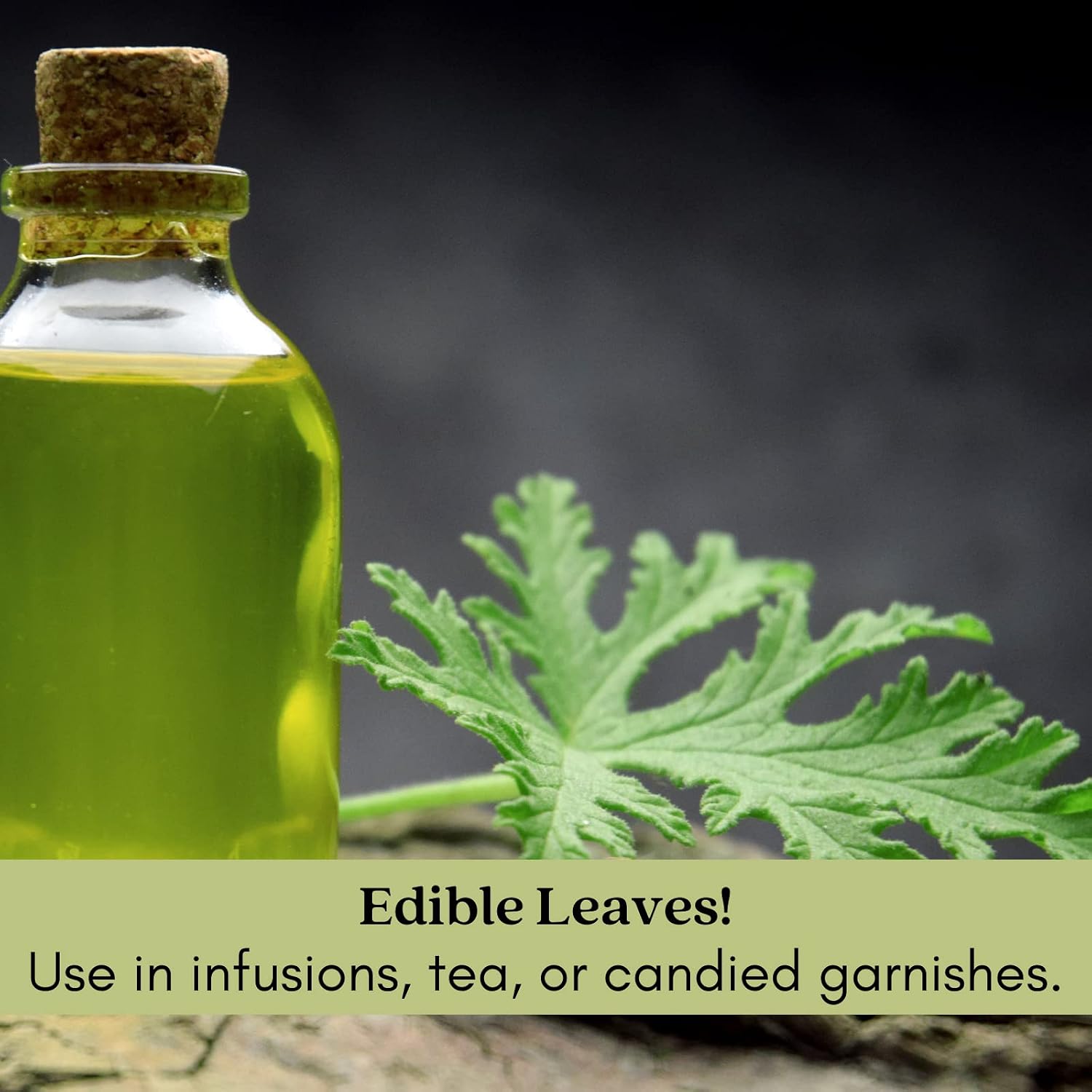

Two already-growing citronella plants let you cluster them together right away near a seating area, which is exactly the kind of grouping that gives the strongest scent barrier against wasps.


With over a thousand seeds in one pack, this is the option for anyone who wants to fill a whole border or several containers with citronella without buying individual starter plants.
5. Marigolds
Marigolds have a strong, distinct scent that many insects dislike, including wasps. The pungent aroma is believed to mask the scents that attract pests to your yard. They are also very easy to grow and make a cheerful addition to any flower bed or border.
Plant them in full sun for the best results and enjoy vibrant blooms all season long. These flowers are known for their prolific blooming nature, which helps keep your garden looking lively and colorful. They are a low-maintenance option for gardeners of all experience levels.


This mix of 1,000 French marigold seeds is enough to fill a full flower bed or several containers with the bright orange and yellow blooms that double as a natural pest deterrent.
6. Eucalyptus
The strong, menthol-like scent of eucalyptus is naturally harsh to wasps, making it a helpful choice for keeping them away from outdoor spaces. This aroma masks the sweet smells that usually attract these insects, which can make dining or relaxing on a patio a bit more peaceful. It’s a simple way to add a fresh, herbal fragrance to your garden while acting as a natural repellent.
If you prefer fresh cuttings for a vase, you can find bundles that last a while, though growing the tree from seeds takes patience. Most gardeners find that the young plants sold in pots are the easiest way to get started without waiting years for the tree to mature. You can use the fresh leaves for a variety of home projects, or plant the seeds if you have the space for a larger shrub.
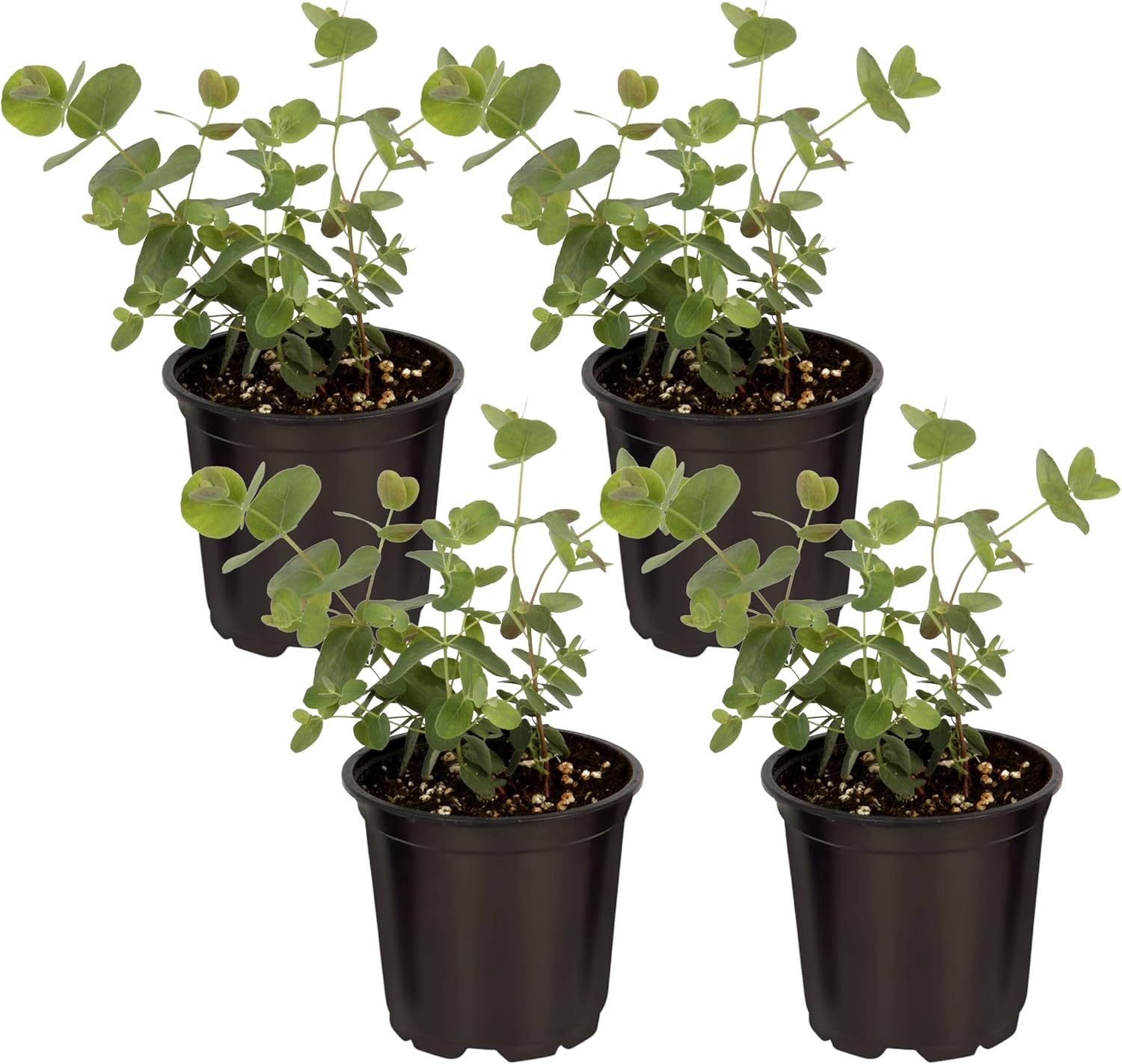


This four-pack of potted eucalyptus starts gives you an instant, ready-to-plant hedge of that menthol-scented foliage, without the years of patience growing a tree from seed usually requires.
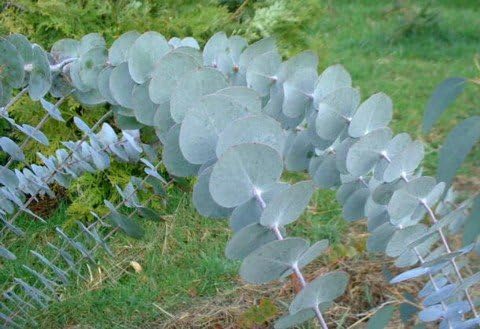
If you have the patience, and the space, for a larger shrub down the road, this seed packet is a low-cost way to start a Baby Blue eucalyptus from scratch.


For a more ornamental option, these Rainbow Eucalyptus seeds grow into a tree known for its strikingly colorful, multi-hued bark, in addition to the same natural wasp-discouraging scent.
7. Geraniums
Geraniums are known for their bright blooms, but they also carry a distinct scent that wasps generally dislike. Planting them near your outdoor seating areas can help keep these insects at a distance while you enjoy your space.
Since you don’t need to worry about exact varieties for this purpose, you can pick whatever colors you like best for your garden. You can easily grow them from seeds or start with potted plants for quick results.
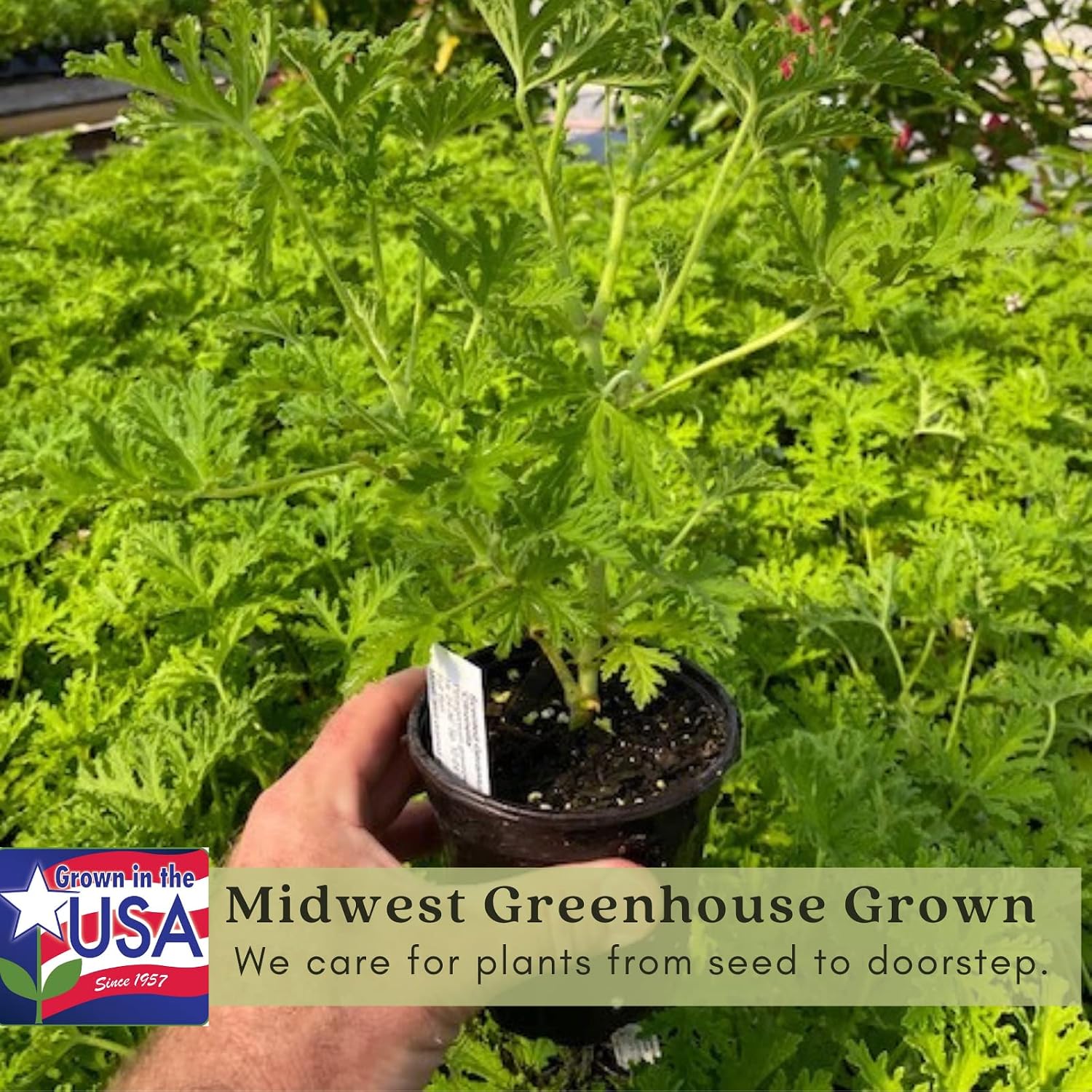
Live Citronella Geranium Plants (2-Pack); Pelargonium Citronella Scented Potted Plants
This citronella-scented geranium (also called a citrosa geranium) is a real geranium variety, arriving as two already-growing plants so you can pot them up right away near a patio or entryway for the same wasp-discouraging scent as the rest of this list.


This mixed-color geranium seed pack lets you grow a full border in whatever shades you like best, with no need to track down a specific variety since any geranium carries the scent wasps tend to avoid.
8. Wormwood
Wasps are surprisingly sensitive to strong scents, and wormwood has a distinct, pungent aroma that most insects find unpleasant. This natural repellent works well in garden beds or along the perimeter of a patio to create a buffer zone where wasps are less likely to hover or build nests.
You can grow this perennial from seeds or buy established plants. It thrives in dry, sunny spots and tends to spread, so it’s a good idea to keep it trimmed back or planted in a container if you want to control its size.


This potted Silver Mound wormwood arrives as an established perennial, so you can plant it straight into a bed or container and start benefiting from its pungent, wasp-discouraging scent right away.
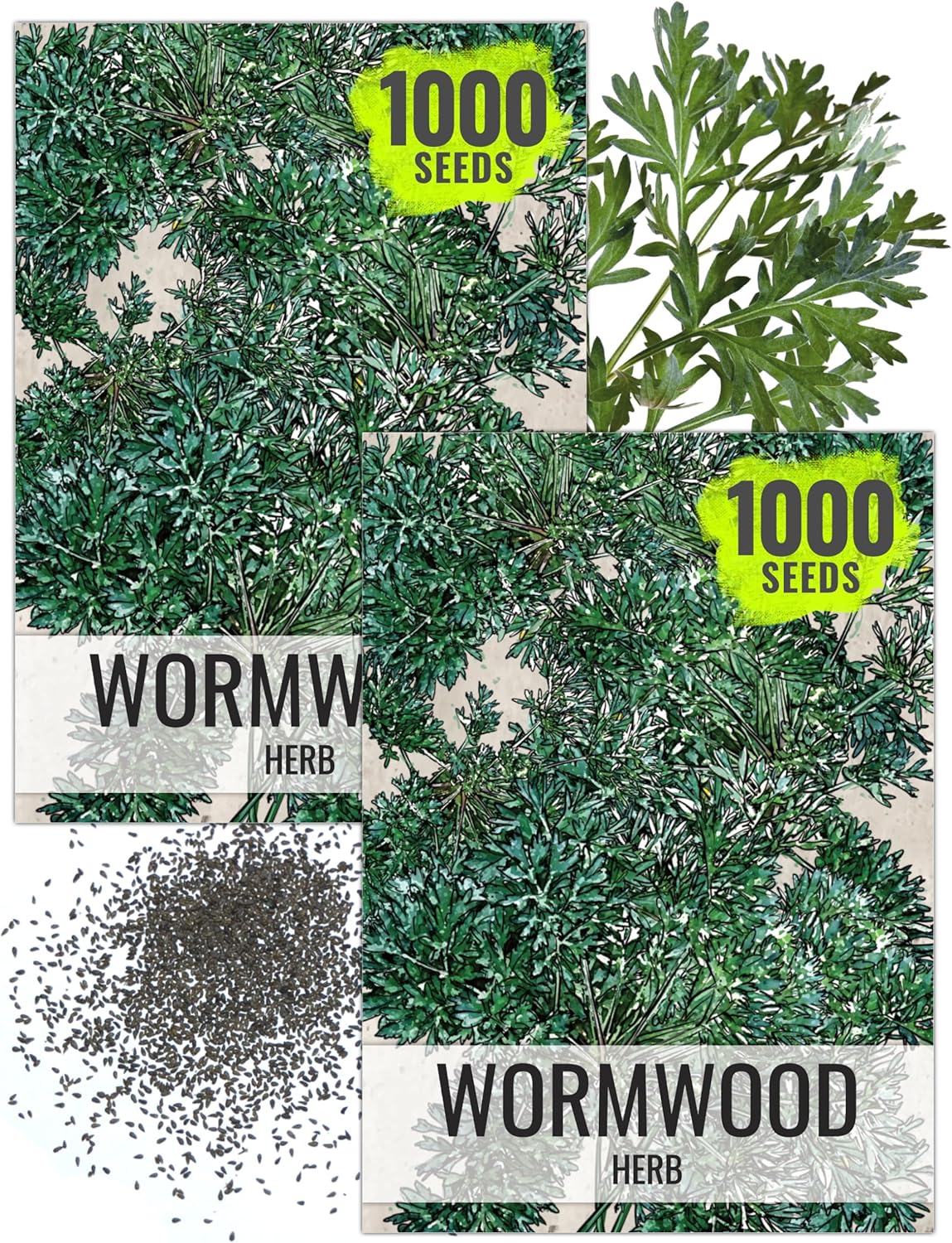


With two seed packs included, this option is a cost-effective way to start wormwood from scratch if you’re planning to line a longer stretch of patio or garden bed.
9. Nasturtiums
The peppery scent of nasturtiums is a natural deterrent for wasps and other flying insects. They grow low and spread quickly, filling garden spaces with foliage that helps keep pests at bay without needing harsh chemicals.
These plants are as useful as they are attractive, since the entire plant is edible. You can plant them along edges or in containers where you eat outdoors. Because they are so vigorous, they tend to pop up on their own in the spots you plant them first.


These two already-growing nasturtium plants can go straight into a container or garden edge near where you eat outdoors, giving you both the pest-deterrent scent and edible blooms right away.


This bulk 1.5-ounce seed pack is enough to fill several containers or a long garden border with nasturtiums, which tend to self-seed and spread readily once established.
10. Pennyroyal
The strong scent of pennyroyal is often noted as a deterrent for wasps, making it a common addition to gardens where these insects tend to gather. It is frequently used in landscaping to help maintain a peaceful outdoor space, keeping flying pests at a distance from patios and dining areas.
This herb prefers consistently moist soil and partial shade, though it can spread quickly in the right conditions. It is best planted away from areas where you walk barefoot, as the oils can be a skin irritant for some people.


This pack of 1,000 heirloom pennyroyal seeds is enough to establish a full patch in a partially shaded, consistently moist spot — just remember to keep it away from walkways since the oils can irritate bare skin.
Final Thoughts on Plants That Keep Wasps Away
Mixing a few of these plants into your yard or patio can create a natural buffer zone against wasps without reaching for harsh chemicals. It is a simple, organic way to enjoy your outdoor space a little more.
Start with one or two of your favorites and watch how the vibe of your home shifts from buzzing annoyance to peaceful gathering.