

I’ve always wanted undercabinet lighting!
Undercabinet lighting is one of those upgrades that makes a kitchen feel instantly brighter and more polished. Undercabinet LED lighting in particular lights up your countertop workspace, making prep work easier, and adds a warm glow to the room. There is a lot to think about before you start, though. Do you need to run power to the cabinets? What kind of bulbs work best? Is this a weekend DIY project or a job for a pro?
- What kind of lights are needed
- Whether you need to run power or add a switch
- What light color will suit your space
- How long the installation will take
- Whether you need a professional to install them
- What the total cost will be
- How bright the lights will be
Fortunately, you don’t have to guess. You can choose a setup that matches your skill level and budget. Whether you want something you can install in an hour or a wired system that works permanently, there are solutions for every situation.
This post contains affiliate links, which means I may receive a small commission, at no cost to you, if you make a purchase through a link.
Let’s discuss the different features
There are several ways to choose the right setup for your kitchen. You can go with a wired or battery-powered option, decide on how it mounts to the cabinet, and choose between a switch or a remote control. You might also want a single color or one that changes colors, and the shape of the light—whether a puck or a bar—will depend on the space you have.
- Wired vs. Battery Powered: Wired options provide continuous power, while battery-operated lights are easier to install and work in areas without existing wiring.
- Screw-Mounted vs. Adhesive: Screw-mounted lights stay secure over time, whereas adhesive lights are a simple, no-drill solution for temporary or permanent setups.
- Switch vs. Remote Control: You can choose lights that have a physical switch on the fixture itself or models that use a remote to turn them on and off from across the room.
- Single-Color vs. Color-Changing: Standard options provide steady, consistent lighting, while color-changing lights let you adjust the mood with different hues.
- Puck Lights vs. LED Bars: Puck lights are compact circles, while LED bars are long strips that spread light across a wider area.
Ultimately, it comes down to personal preference and how your kitchen is set up. When picking a color, it is usually best to match the light to what is already in your home so the space feels consistent.
- Warm white (2700K): For cozy, traditional kitchens.
- Soft white (3000K): A balanced, inviting glow.
- Neutral white (3500K): A clean look for modern spaces.
- Bright white (4000K): For areas that need extra clarity.
If you have plenty of space on your cabinets, an LED bar will spread the light evenly across the countertop. In tighter areas where you need focused light right where you need it, a puck light works very well.
How Do I Choose the Right Undercabinet LED Lighting?
Don’t worry; I’ve put together a few tried-and-true options for you. Whether you are planning a full kitchen overhaul or just want to brighten up a corner, there is something here that fits the job.
Quick note: It is usually better to buy a light with more lumens and dim it down to your preferred brightness than to get something too dim and wish you had more power. When it comes to color, soft white or neutral white are safe bets that work in almost every room.
LED Bars
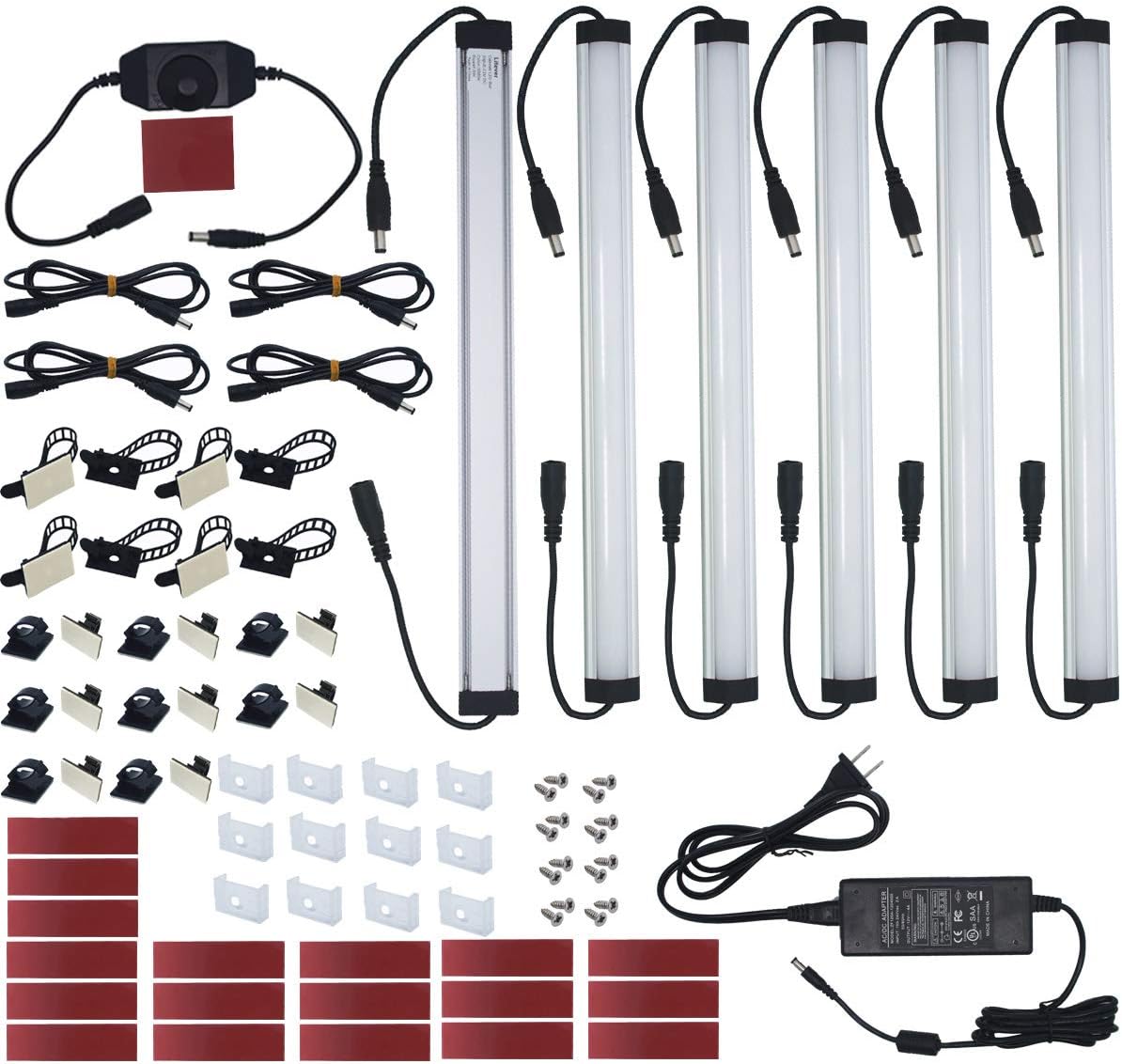


If you are looking for a simple upgrade that gives you full control over your kitchen or workspace, a basic LED strip kit is often the best starting point. These units typically come with multiple strips that you can plug directly into an outlet, making them great for renters or anyone who wants to avoid cutting into walls.


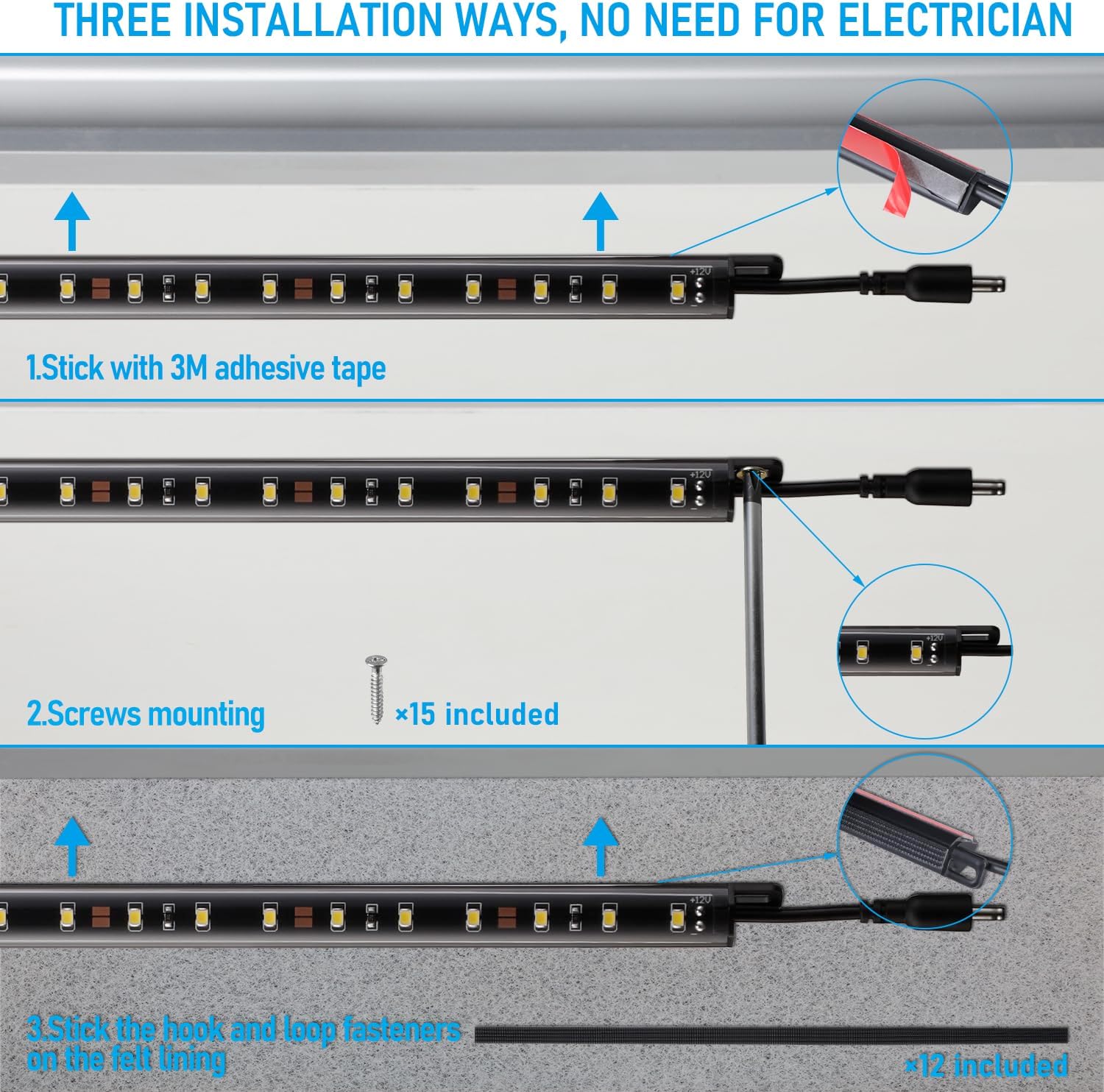

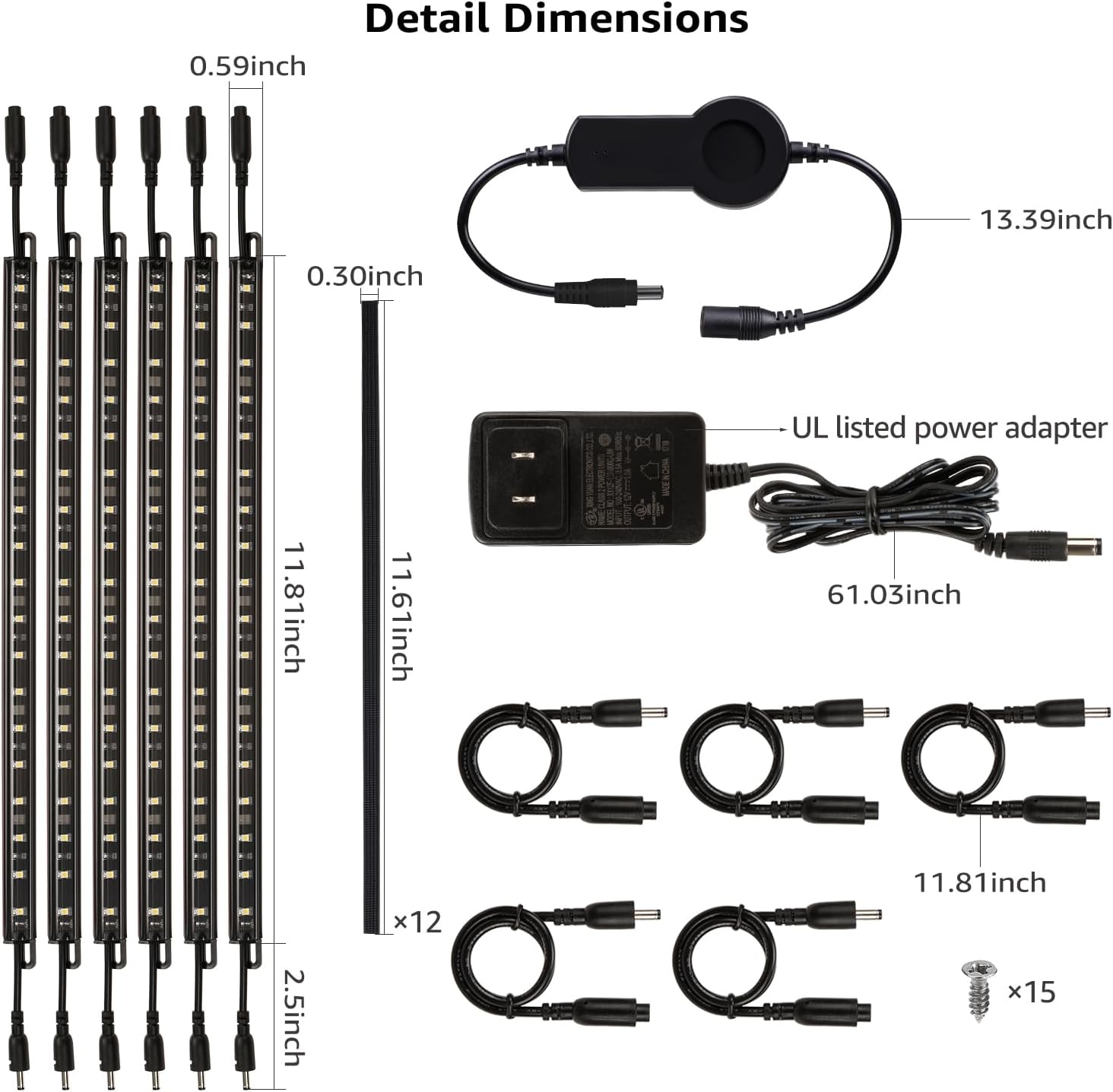
For those who want the convenience of voice control without the hassle of complicated wiring, a smart kit offers a modern solution. You can often set these up to sync with your home’s smart system, allowing you to dim the lights or turn them on with a simple voice command while your hands are full.

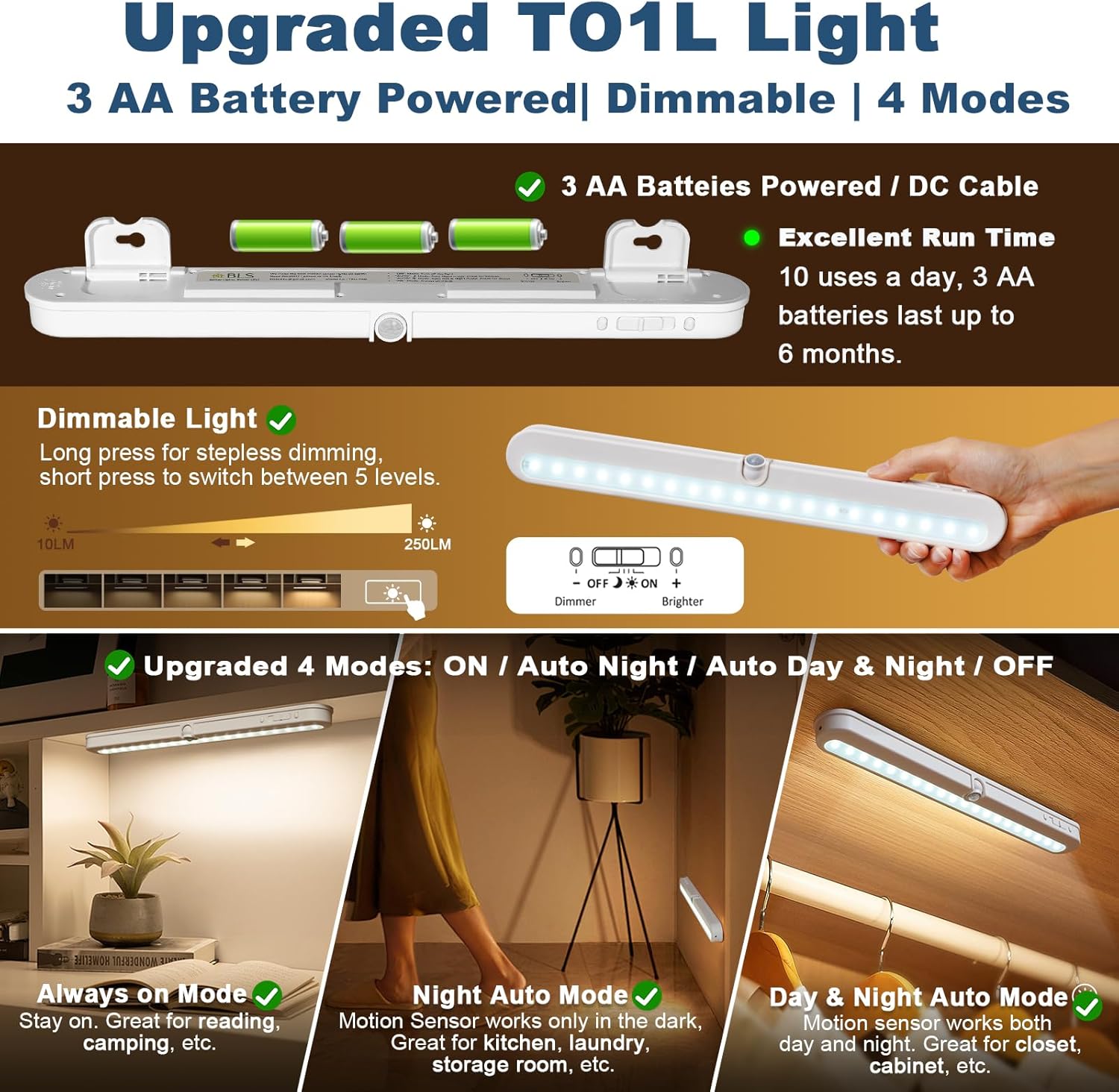


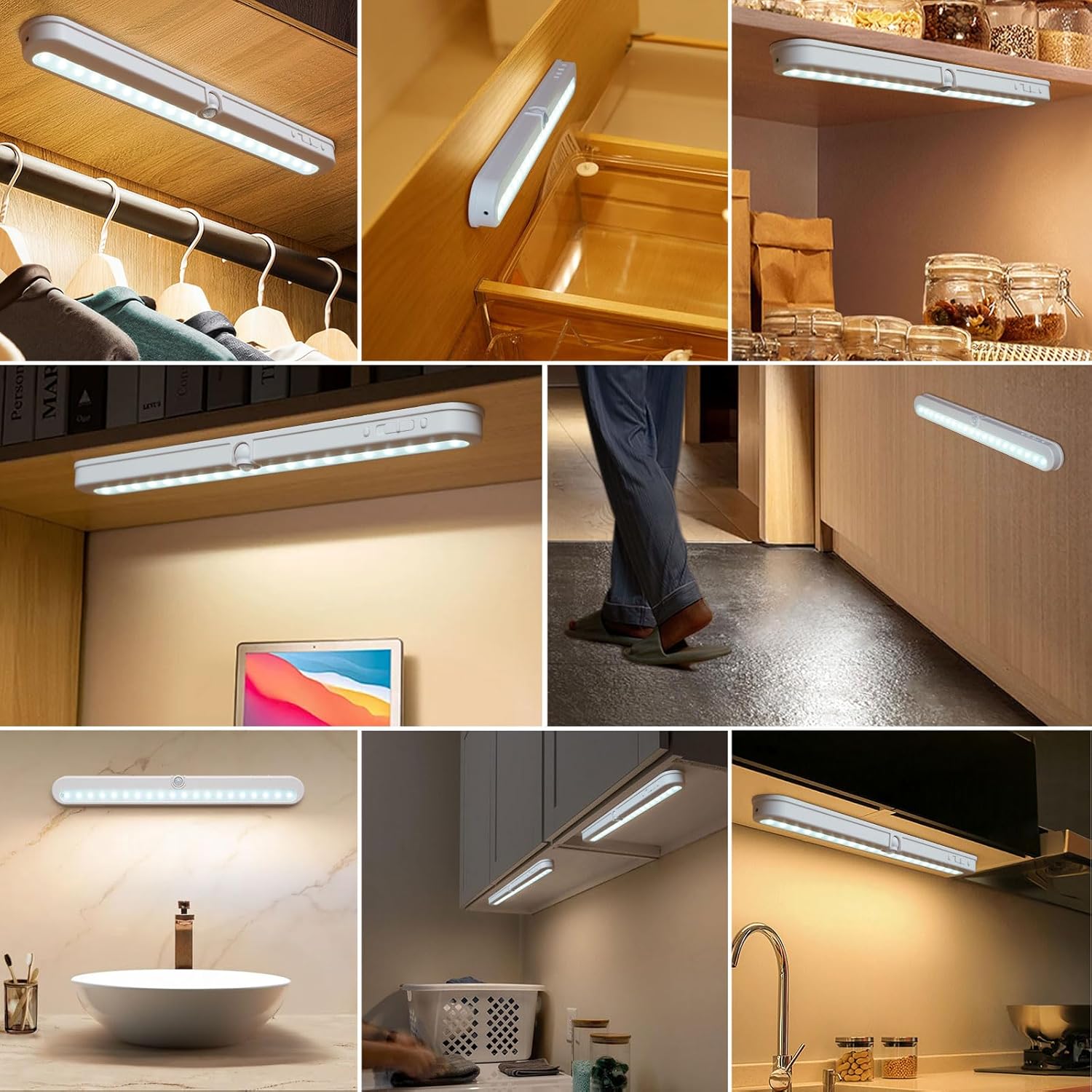
When you need lighting for a closet, pantry, or laundry area where outlets aren’t easily accessible, battery-powered options are incredibly handy. These units give you the freedom to place lights exactly where you need them without worrying about finding an available plug nearby.


For tighter spaces or hard-to-reach spots, a compact motion sensor light can act as a reliable night light that runs itself. These sensors detect movement to turn the light on, and some even have a light sensor so the unit stays off during the day, which helps save energy over time.
Puck Lights
Puck lights are compact, battery-operated fixtures that stick right onto the underside of a cabinet with adhesive, so you can install them without cutting into your walls or running new wiring. They are great for closets, pantries, or utility spaces where an electrical outlet isn’t easily accessible.
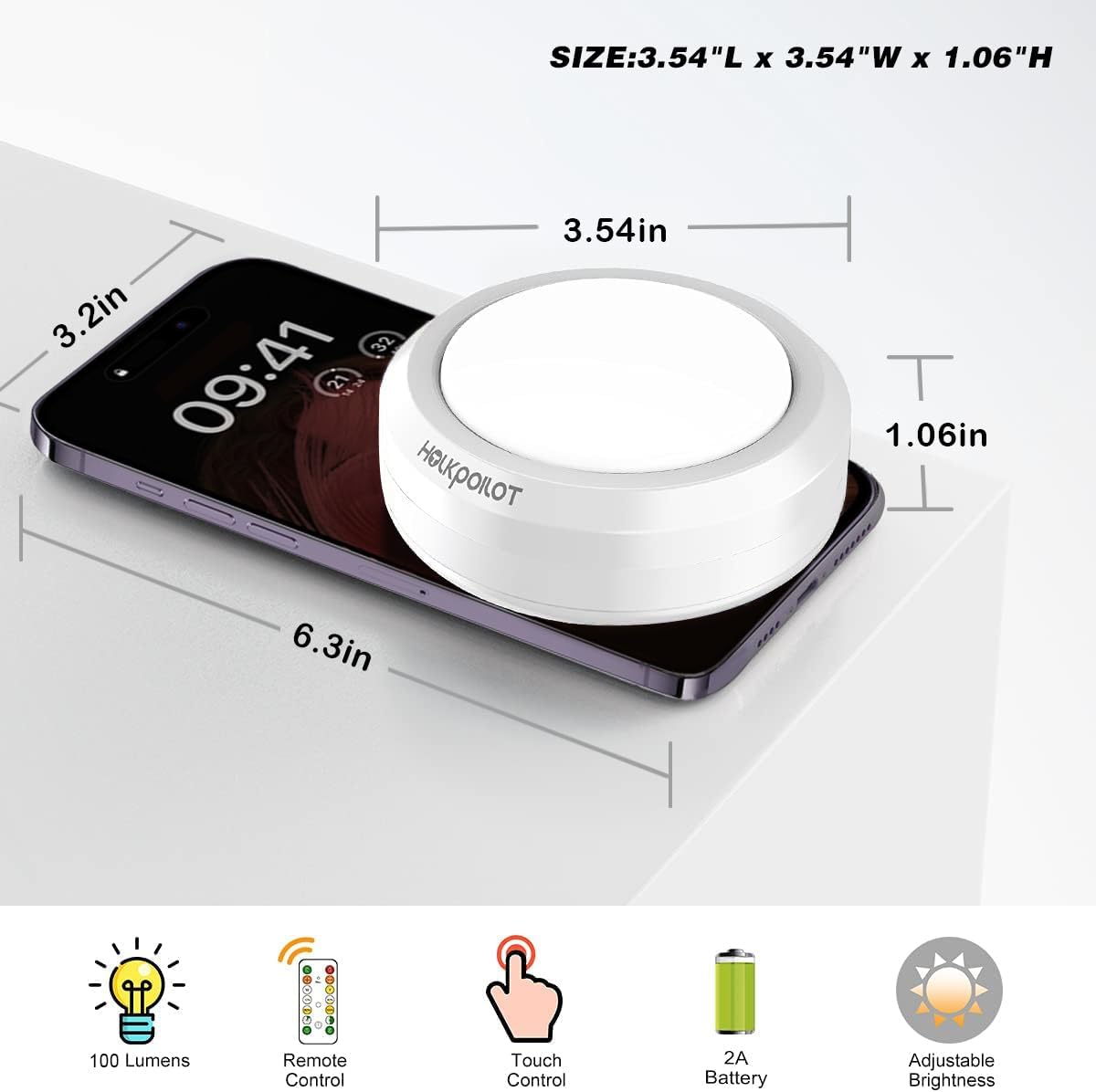


Because puck lights are so small, they are perfect for highlighting specific spots rather than flooding a large area with light. You can arrange them in a row or a grid pattern to create a custom lighting design that highlights your backsplash or keeps your counters well-lit while you cook. When you need to adjust the brightness or switch them off when you leave the room, having a remote control makes the process simple.


If you prefer a cleaner look with fewer visible wires, stick-on puck lights offer that flexibility without the need for a hardwired setup. They use adhesive backing to stay in place, so you can mount them right where you need the extra illumination in your kitchen or pantry. It is a straightforward way to add light to cabinets that don’t have existing wiring without taking on a big renovation.


For a more integrated solution, linkable puck lights let you daisy-chain multiple units together so you only need to run one wire to the power source. This keeps your cabinets looking tidy since you aren’t drilling separate holes for each light fixture. You can connect up to a specific number of lights to cover a long stretch of counter space without creating a messy wire tangle.
If you’re feeling stuck on exactly which style fits your setup, remember that the goal is simply to bring more light to the work area. Whether you choose a plug-in kit for simplicity or a hardwired setup for a seamless look, the change is usually noticeable right away. You don’t have to overhaul your kitchen to make it feel fresher and more inviting, because a few well-placed lights can really lift the whole vibe.